Grades 1–9 provide students with a strong foundation for lifelong learning through engaging, age-appropriate experiences that support academic achievement, personal growth and well-being.
Students develop skills in literacy, numeracy, critical thinking, creativity and collaboration while exploring a broad range of subjects, interests and learning opportunities. From the early elementary years through junior high, students are supported by caring educators who help them build confidence, independence and the knowledge needed for success in high school and beyond.
Each stage of a student's educational journey brings unique opportunities for growth and learning.
Explore the sections below to learn more about Elementary (Grades 1–6) and Middle Years (Grades 7–9), including what students learn, how learning is supported, and the experiences available at each grade level.
Elementary | K-6
Elementary school, or education from kindergarten to Grade 6, is an exciting time of growth, exploration and discovery. CBE elementary education programs help students build a strong foundation of learning that will carry them through to high school graduation and beyond.
The CBE is proud to offer a variety of quality educational options to students. One or a combination of the following programs can be found at each CBE school:
Regular Program
Most CBE schools offer a regular program and no two are quite the same. All schools teach the Alberta Education curriculum, however a school’s focus, optional courses and school activities are as unique as each school. Every student in Calgary has a designated regular school based on their home address.
Alternative Programs
In addition to regular programs, the CBE offers alternative programs based on cultural emphasis, subject matter, teaching and learning approach and language of instruction.
Program Options
See our Program Options for a full list of the programs that are available.
Middle Years | Grades 7-9
Middle years learning refers to education offered to students between the ages of 10-15. These years are critical in keeping students on the path to high school completion and their future careers. Keys for student success include:
- Participating in hands-on, purposeful and relevant learning
- Creating positive relationships with peers, teachers and other adults
- Being actively involved in the community and feeling supported by family, businesses and other organizations that surround them
During their middle years, students may attend a school with grade configurations including:
K-6
Elementary School
K-9
Elementary / Junior High School
5-9
Middle School
7-9
Junior High School
Regardless of the grade configuration, all middle years teachers and principals understand the complex and unique learning needs of this age group. Middle years learning is developed with a strong awareness of the following five domains:
- Emotional – Students are provided with an environment that is emotionally safe at a time when emotions can run high.
- Physical – Students experience many physical changes during this time period (i.e. growth spurts) and mature at different rates, leaving students vulnerable to negative peer influences if not supported by caring adults.
- Cognitive – Students begin to transition from concrete thinking to abstract concepts.
- Social – Students begin to develop their unique personalities and build an identity outside their immediate family.
- Behavioural – Students switch between a demand for independence and a need for direction and regulation. Flexible, yet supportive environments help students make good choices.
Changes at School
- Students will gradually make the transition from one teacher to multiple teachers.
- Student leaders in the higher grades can be mentors for younger students (buddy programs).
- Students will start creating personalized learner pathways as the Career & Technology Foundations Program of Studies is integrated into their daily learning. Students can explore different interests that will prepare them to make informed decisions about high school options and extend beyond to post-secondary and the world of work.
- Students can make course selections in the areas of second languages and the fine and performing arts
- Students can participate in intramural, extra-curricular and co-curricular activities.
- Students will be supported as they transition from elementary to middle school and then from middle school to high school.
Supporting Your Child
- Talk to your child about the differences they may experience as they transition to their new school.
- Attend the school orientation sessions for incoming students and their families.
- Volunteer at your child’s school, meet teachers, attend school meetings or events and read school newsletters.
- Encourage the use of traditional or online agendas for homework and check them for assignments. Successful students have a good foundation at home.
- Set a regular time and place for homework to be done. Give and reinforce clear expectations.
- Visit the school’s website to learn more. Write down any questions.
- Make an appointment to visit the school and meet the principal to get a sense of how the school is prepared to support student success. Ask questions.
Supporting Information
- Homework | Administrative Regulation 3066
- What parents should know about young adolescent development
- Five ways to help your young adolescent be successful in middle school
- Parents and educators talk about what is important in schools for young adolescents
- Discovering how your child is smart
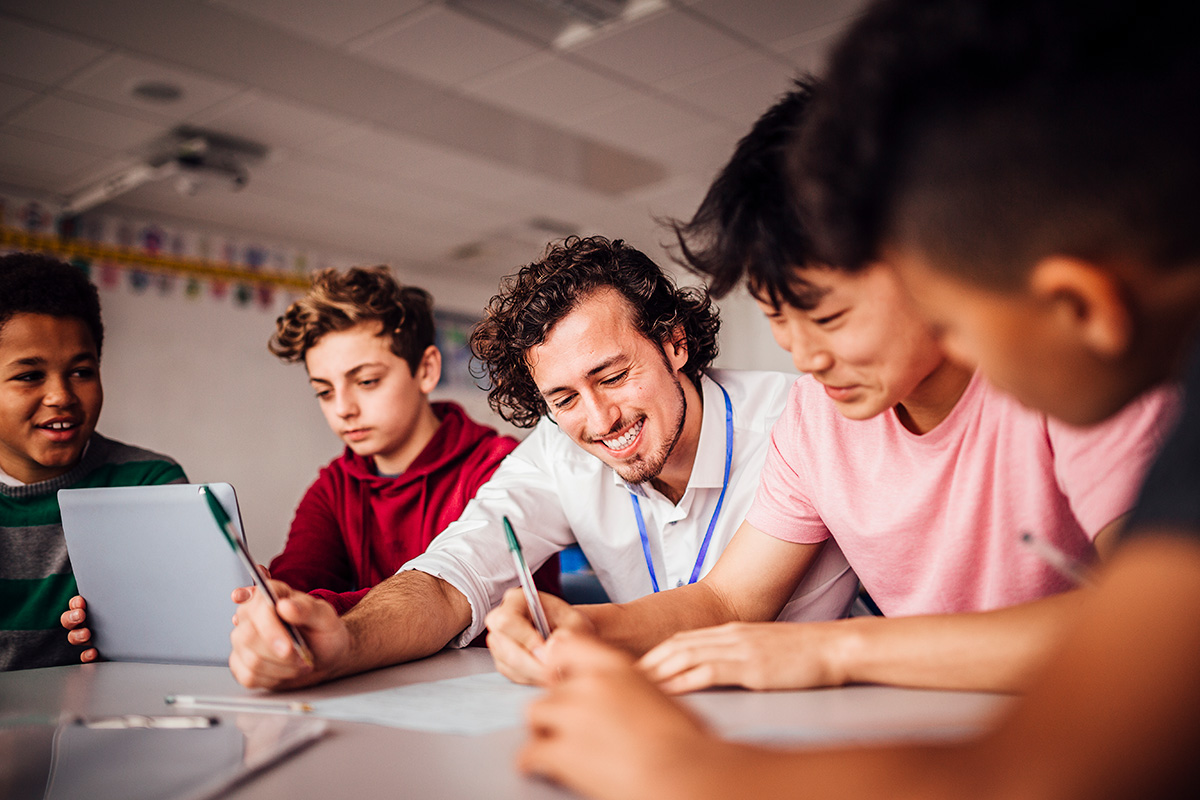
Career & Technology Foundations
Engaging Students in Grades 5-9
Students in Grades 5–9 can explore their interests, strengths and future possibilities through Career and Technology Foundations (CTF).
This hands-on, inquiry-based program helps students develop practical skills, creativity and problem-solving abilities while gaining exposure to a variety of career pathways and occupational areas.
Knowledge & Employability (K&E) Courses
Opportunities for Grades 8–12 Students Who Meet Eligibility Criteria
K&E provides students with opportunities to experience success and prepare for employment, further education, active citizenship and lifelong learning.
Last modified: 2026-08-11 22:59:55.507653 +0000 UTC